
Buying on classified websites has become one of the easiest...
Best Questions To Ask Before Buying Products

Making a purchase decision—whether online or in-store—requires more than just liking how a product looks. Smart buyers ask the right questions before spending their money. Doing so helps you avoid low-quality items, hidden costs, scams, and buyer’s remorse.
This detailed guide covers the best questions you should ask before buying any product, from electronics and furniture to fashion and vehicles.
1. Do I Really Need This Product?

Before focusing on price or features, ask yourself:
- Is this a need or a want?
- Will I use it regularly?
- Do I already own something similar?
- Is this the right time to buy?
Impulse buying often leads to regret. A short pause can save money.
2. What Is My Budget?
Set a spending limit before shopping.
Ask:
- How much can I comfortably afford?
- Are there hidden costs (shipping, taxes, maintenance)?
- Will I need accessories?
For example, buying a smartphone may also require:
- Case
- Screen protector
- Insurance
- Extended warranty
Always consider the total cost of ownership.
3. What Problem Does This Product Solve?
A good purchase solves a specific problem.
Ask:
- What benefit does this product provide?
- Is there a simpler or cheaper alternative?
- Does it improve efficiency, comfort, or performance?
Clarity prevents unnecessary spending.
4. Is the Brand or Seller Trustworthy?
Before purchasing:
- Check seller ratings
- Read customer reviews
- Verify contact information
- Research the company online
Trusted retailers like Amazon or eBay provide buyer protection systems. Unknown sellers without reviews carry higher risk.
5. What Do Other Customers Say?
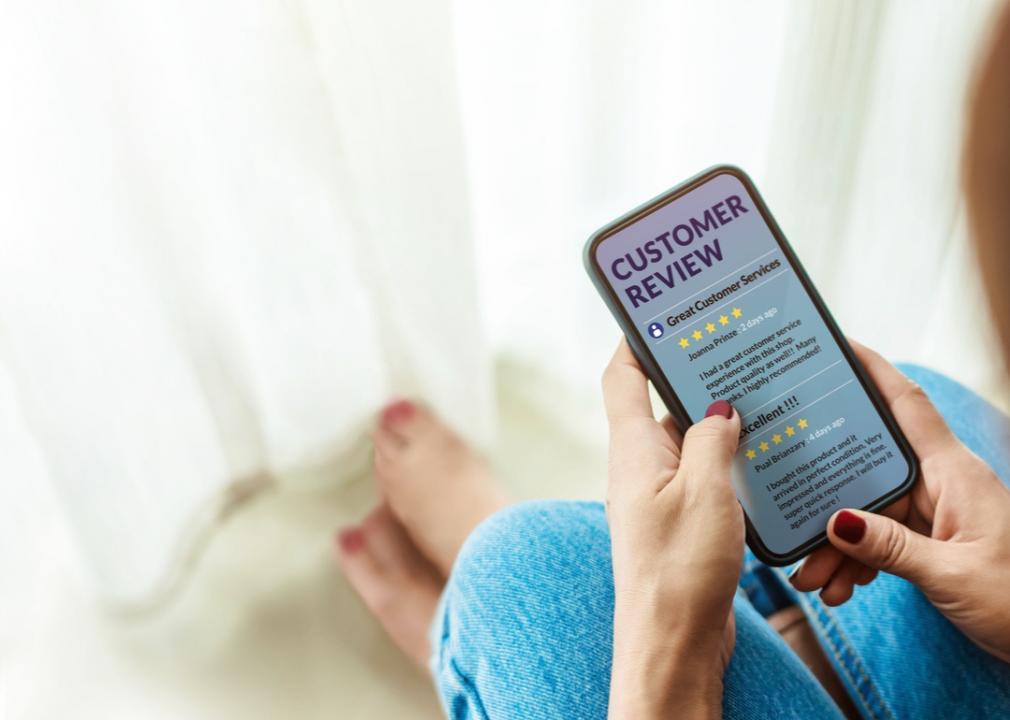
Customer reviews reveal:
- Real performance
- Durability
- Common defects
- Delivery experience
Look for:
- Verified purchases
- Detailed feedback
- Photos from buyers
Avoid products with repeated negative complaints.
6. What Is the Product’s Quality and Material?
For physical items, ask:
- What materials are used?
- Is it durable?
- Is it original or refurbished?
- Does it have safety certification?
For electronics:
- Battery life
- Warranty coverage
- Compatibility
For furniture:
- Solid wood or particle board?
- Weight capacity?
Quality determines long-term value.
7. Is There a Warranty or Guarantee?
Warranty protects your investment.
Ask:
- How long is the warranty?
- What does it cover?
- Who handles repairs?
- Is there an extended warranty option?
Avoid expensive products without warranty coverage.
8. What Is the Return and Refund Policy?
Before paying:
- How many days do I have to return it?
- Who pays return shipping?
- Is refund full or partial?
- Are there restocking fees?
Clear return policies reduce risk.
9. Is the Price Fair Compared to Market Value?
Research before buying:
- Compare at least 3 sellers
- Check seasonal discounts
- Look for bundle offers
- Watch for price drops
If the price is too low, it may indicate counterfeit or defective goods.
10. Are There Hidden Costs?
Hidden costs may include:
- Shipping fees
- Installation charges
- Subscription fees
- Maintenance expenses
- Import taxes
Always calculate the final payable amount before checkout.
11. Is the Payment Method Secure?
Use safe payment options:
- Credit/debit cards
- Secure online gateways
- Buyer-protected platforms
Avoid:
- Wire transfers
- Cash sent in advance
- Unverified payment links
Security protects you from fraud.
12. How Long Will It Last?
Think long-term:
- Is it durable?
- Does the brand offer spare parts?
- Will it become outdated quickly?
- Is it upgradeable?
Sometimes paying more for quality saves money in the long run.
13. Is This the Right Time to Buy?
Consider:
- Upcoming sales seasons
- Product upgrade cycles
- End-of-season discounts
- New model releases
Timing can significantly reduce cost.
14. Final Pre-Purchase Checklist
✔ Need confirmed
✔ Budget set
✔ Seller verified
✔ Reviews checked
✔ Quality evaluated
✔ Warranty confirmed
✔ Return policy understood
✔ Price compared
✔ Payment secure
Conclusion
Asking the right questions before buying products helps you make smarter financial decisions. Whether you’re shopping online or offline, careful research, price comparison, and seller verification reduce risks and improve satisfaction.
The smartest buyers are not those who spend the most—but those who ask the right questions before paying.
Related Posts


Bizilisting is designed to be fully accessible on mobile phones,...

Verifying buyers before selling products online is very important for...
Leave your comment