
Online shopping and classified marketplaces like Bizilisting have made buying...
Car Buying Checklist Before Purchase

Buying a car is one of the biggest financial decisions most people make. Whether you’re purchasing a brand-new vehicle or a used one, careful planning can save you money, prevent future problems, and ensure you get the best value for your investment.
This complete car buying checklist will guide you step-by-step before making your purchase.
1. Define Your Budget First
4
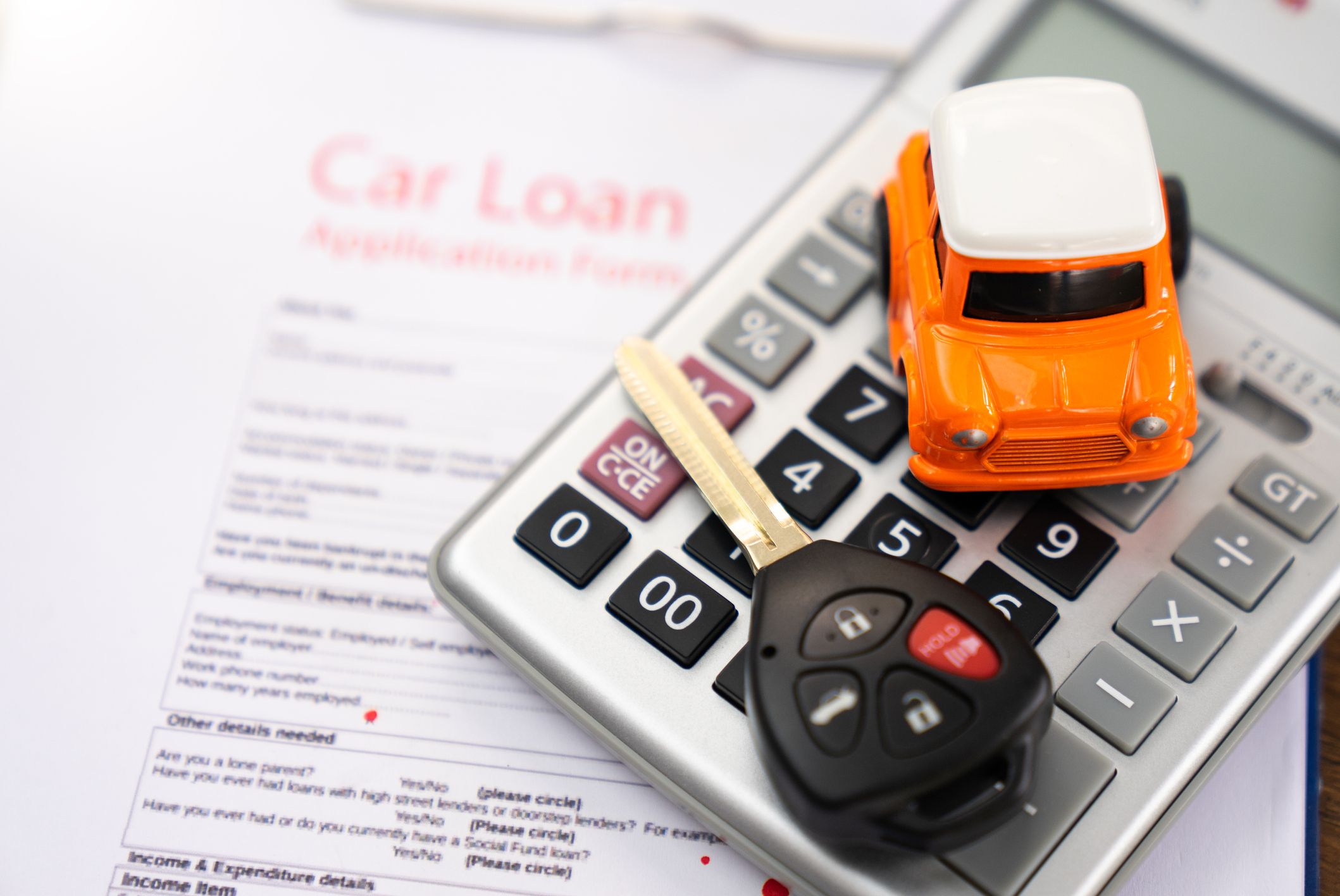
Before visiting a dealership or contacting a private seller, determine:
- 💰 How much you can afford upfront (down payment)
- 💳 Monthly payment you can comfortably manage
- 📄 Loan interest rate
- 🛠 Maintenance and repair costs
- ⛽ Fuel consumption
- 🛡 Insurance cost
- 🧾 Registration and taxes
A good rule: your car expenses should not exceed 15–20% of your monthly income.
2. Decide: New or Used?
🚘 Buying a New Car
Pros:
- Full manufacturer warranty
- Latest technology
- No previous damage
Cons:
- Higher price
- Fast depreciation
🚗 Buying a Used Car
Pros:
- Lower price
- Slower depreciation
- Lower insurance
Cons:
- Possible hidden mechanical issues
- Limited warranty
If you’re considering a reliable used option, models like the Toyota Corolla or Honda Civic are often known for durability and fuel efficiency.
3. Research the Car Model Thoroughly

4
Before committing:
- Read online reviews
- Check reliability ratings
- Compare similar models
- Watch video reviews
- Look up common problems
For example, if you’re buying an SUV, compare options like the Toyota RAV4 and Honda CR-V to understand differences in performance and fuel economy.
4. Check the Vehicle History (For Used Cars)
This step is critical when buying a used car.
Ask for:
- Vehicle Identification Number (VIN)
- Service history records
- Accident history report
- Previous ownership details
Red flags include:
- Major accidents
- Flood damage
- Odometer tampering
- Salvage title
Never skip this step—it can save you thousands.
5. Inspect the Exterior Carefully
4
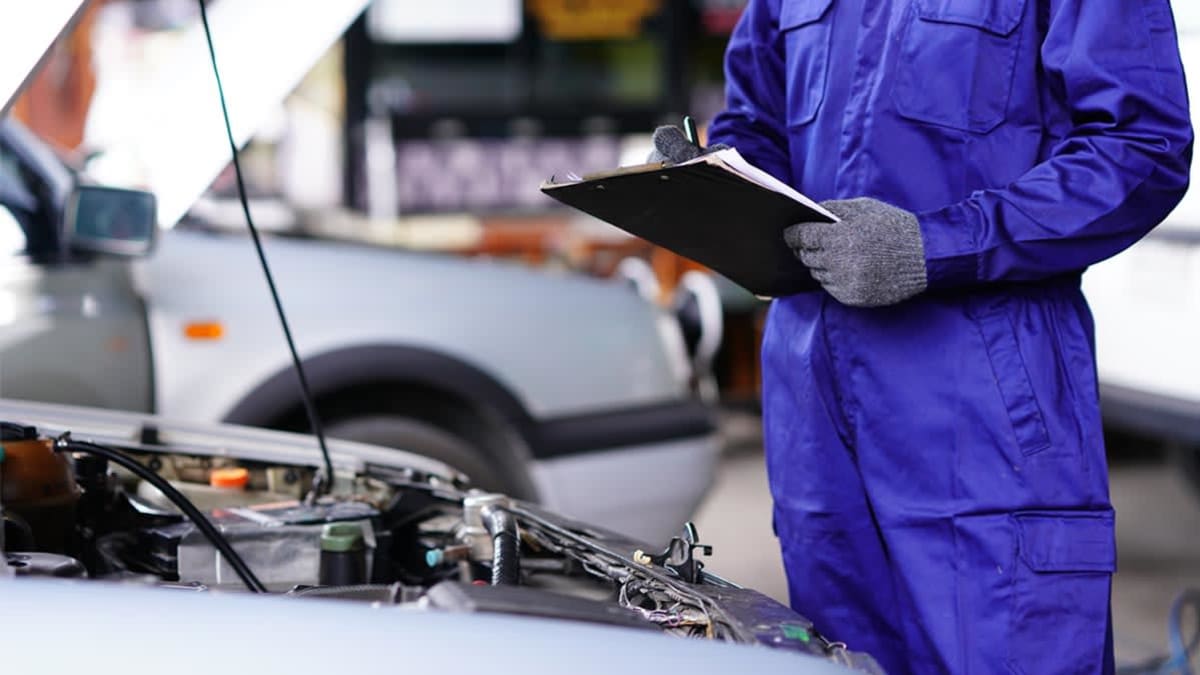
Look for:
- Scratches or dents
- Uneven paint (may indicate repairs)
- Rust under doors and wheel arches
- Tire condition and wear pattern
- Proper alignment of doors and trunk
Uneven tire wear may indicate suspension or alignment issues.
6. Inspect the Interior
Check:
- Seat condition
- Dashboard warning lights
- Air conditioning and heating
- Infotainment system
- Window controls
- Seat belts
Make sure everything works properly before purchase.
7. Check Under the Hood
4
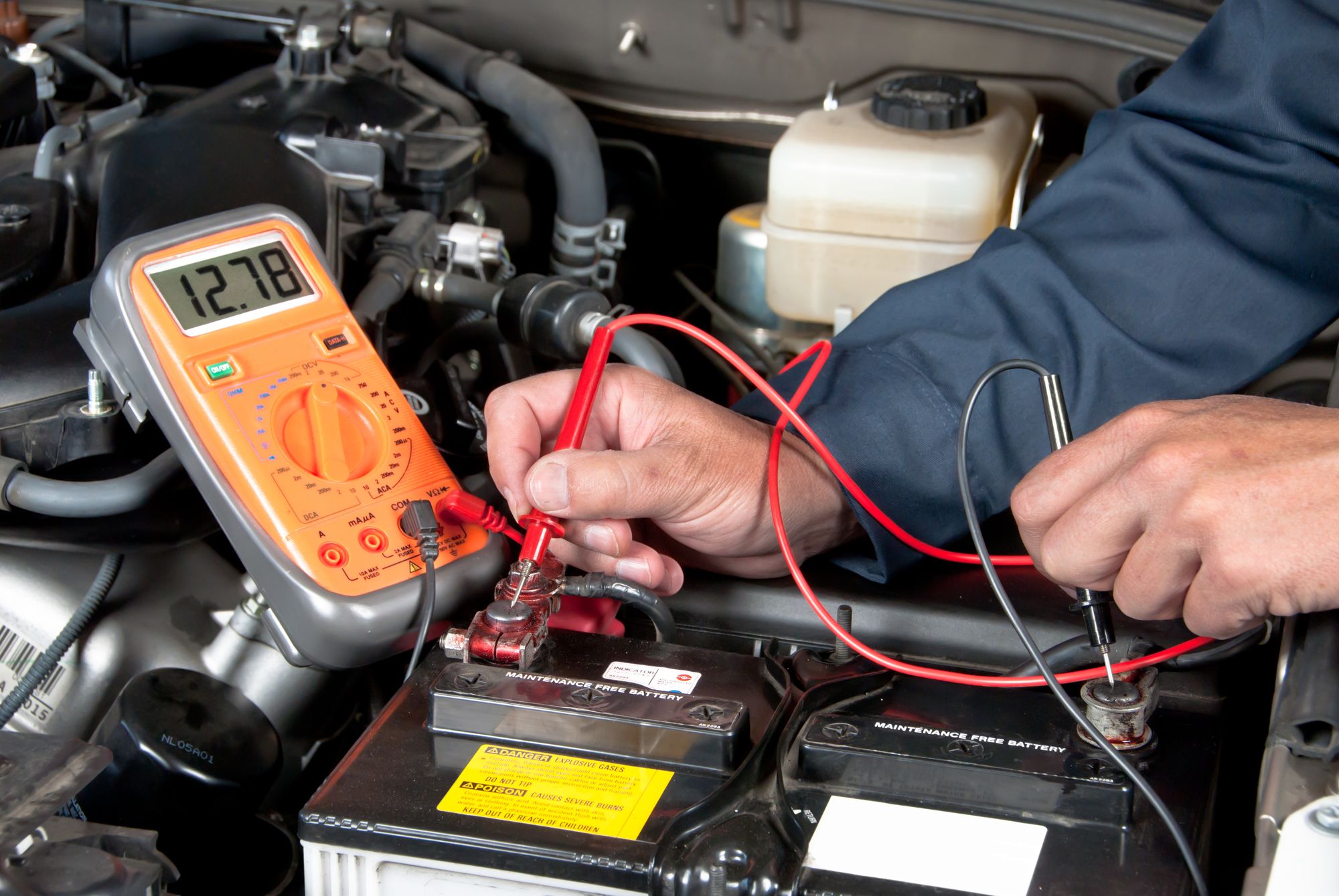
Even if you’re not a mechanic, check:
- Oil level and color
- Coolant level
- Battery condition
- Leaks under the engine
If possible, bring a trusted mechanic to inspect the car before final payment.
8. Take a Proper Test Drive
A test drive should last at least 15–20 minutes.
During the drive:
- Listen for unusual noises
- Check brake responsiveness
- Test acceleration
- Observe steering alignment
- Drive on both smooth and rough roads
Make sure the car feels comfortable and stable.
9. Verify Ownership Documents
Ensure:
- Seller’s name matches registration
- No outstanding loans on the vehicle
- Valid insurance
- Proper transfer documents
Never buy a car without clear legal ownership.
10. Negotiate Smartly
Most car prices are negotiable.
Tips:
- Research market value
- Point out visible defects
- Be calm and confident
- Don’t rush
If the seller refuses reasonable negotiation, be ready to walk away.
11. Understand Insurance & Registration Costs
Before finalizing:
- Get insurance quotes
- Confirm registration fees
- Check emission test requirements
- Understand annual road taxes
Some vehicles cost more to insure than others.
12. Final Checklist Before Payment
✔ Budget confirmed
✔ Vehicle history checked
✔ Exterior and interior inspected
✔ Test drive completed
✔ Mechanic inspection (if possible)
✔ Documents verified
✔ Insurance arranged
✔ Price negotiated
Conclusion
Buying a car requires patience, research, and careful inspection. Whether new or used, following a structured checklist helps you avoid costly mistakes and ensures you make a confident purchase.
Never rush into a deal. A well-informed buyer always gets the best value.
Related Posts


Local classified websites have become one of the most popular...

Posting a classified ad seems simple — upload photos, write...
Leave your comment